







Battery recycling Albany NY is a key strategy for sustainable e-waste management. The city offers multiple accessible channels, including dedicated collection points and regular events, minimizing environmental impact and recovering valuable resources. These initiatives save energy, reduce emissions, conserve lead, and foster economic growth while inspiring future generations through educational resources. Specialized centers handle various battery types safely, setting an example for regional urban centers. Effective sorting and processing techniques are vital to mitigate growing e-waste concerns, with challenges including low public awareness and inconsistent infrastructure. Educational campaigns and advanced recycling technologies are crucial for enhancing Albany NY's capabilities and supporting global efforts towards a closed-loop supply chain of critical materials.
In an era where electronic devices power our daily lives, the sustainable management of their components has become a pressing environmental concern. Spent batteries, often overlooked, represent a significant challenge due to their toxic materials and growing volume. Albany, NY, with its forward-thinking initiatives, is at the forefront of this issue, championing battery recycling as a vital solution. This article delves into the intricacies of this complex problem, exploring innovative techniques, local efforts, and global implications, offering a comprehensive guide to understanding and advancing responsible battery recycling practices.
- Understanding Battery Recycling in Albany NY
- The Importance of Recycling Spent Batteries
- Collection and Drop-Off Locations in Albany NY
- Sorting and Processing Techniques for Batteries
- Benefits and Challenges of Battery Recycling Programs
Understanding Battery Recycling in Albany NY

Recycling spent batteries is a crucial step towards a more sustainable future, especially as we navigate the digital age where electronic devices power our daily lives. In Albany, NY, battery recycling efforts have gained significant momentum, thanks to the city’s commitment to e-waste management and the availability of dedicated collection points for used batteries.
Albany residents and businesses can contribute to this green initiative by utilizing various channels for battery recycling. Retail stores across the city often partner with specialized programs to accept old or dead batteries from customers, providing an easy and accessible way to dispose of these hazardous materials responsibly. For instance, some major electronics retailers offer in-store drop-off points for used batteries, encouraging customers to bring back their spent batteries for recycling instead of discarding them with regular trash. This practice not only minimizes environmental impact but also ensures that valuable resources can be recovered from these discarded devices.
The city also organizes e-waste recycling events, which serve as excellent opportunities for residents to responsibly dispose of various electronic items, including old batteries. These events typically attract a large turnout, highlighting the community’s growing awareness and commitment to sustainable practices. According to recent studies, proper battery recycling can significantly reduce the environmental footprint associated with production and disposal, as it prevents the release of toxic substances and conserves natural resources. By participating in these local initiatives, Albany residents play a direct role in preserving the city’s green legacy and setting an example for other communities across New York State and beyond.
The Importance of Recycling Spent Batteries

Recycling spent batteries is an essential component of eco-conscious battery management, particularly as we navigate a world increasingly reliant on portable power sources. In cities like Albany NY, specialized battery recycling programs have emerged to address the growing challenge of disposing of these seemingly small but significant contributors to electronic waste. These initiatives are crucial in mitigating the environmental impact of batteries, especially considering that over 7 billion batteries are estimated to enter the global market each year.
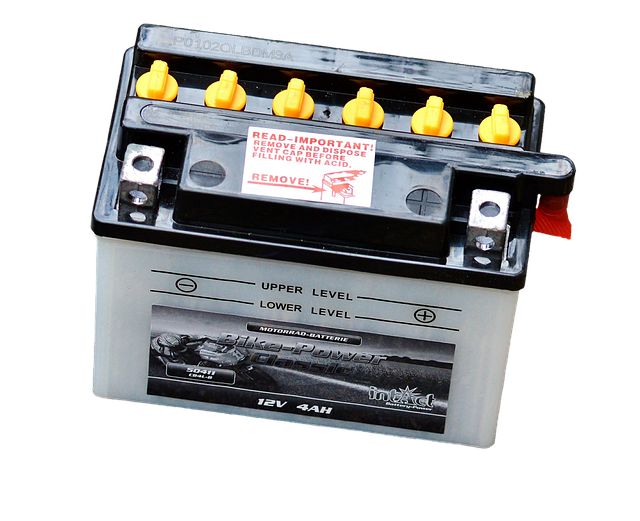
Local efforts to recycle lead-acid batteries, a common type found in vehicles and portable equipment, play a pivotal role in reducing the strain on landfills. According to recent studies, proper battery recycling can save up to 50% of the energy required to produce new batteries while also cutting down on harmful emissions and the need for raw materials. For instance, recycling one ton of used lead-acid batteries can conserve around 4,700 pounds of lead, a resource that is both non-renewable and toxic if not handled correctly. By participating in these local programs, residents and businesses in Albany NY contribute to a global movement toward more sustainable battery management practices.
The benefits extend beyond environmental preservation; effective battery recycling strategies can also foster economic growth and job creation within communities. Specialized recycling facilities often become hubs for eco-conscious innovation, attracting partnerships with manufacturers looking to develop greener production methods. This creates opportunities for local workers and promotes a reputation for the region as a leader in sustainable technology. For example, some cities have established successful battery recycling centers that not only process waste but also serve as educational resources, demonstrating the potential for these programs to inspire future generations of scientists and environmental advocates.
Collection and Drop-Off Locations in Albany NY

In Albany NY, proper disposal and recycling of spent batteries are essential components of the city’s ongoing efforts to reduce electronic waste and promote sustainable practices. Battery recycling Albany NY isn’t just about meeting environmental regulations; it’s a crucial step in responsible resource management. The NYC area is home to several specialized battery recycling centers designed to handle various types of rechargeable batteries safely and efficiently. ProTek Recycling, for instance, stands out as a leading facility, offering drop-off points throughout the city. Contacting them at (838) 218-5772 can provide residents with convenient options for responsible battery disposal.
These centers play a vital role in mitigating the environmental impact of rechargeable battery waste, which often contains harmful materials like lead, cadmium, and lithium. By ensuring these batteries are recycled or reused, Albany NY residents contribute to a significant reduction in toxic emissions and soil contamination that could result from improper disposal. Many of these recycling locations accept both household and business batteries, including those from cars, electronics, and power tools, providing a comprehensive solution for battery waste management.
For instance, ProTek Recycling’s drop-off locations across Albany NY make it easily accessible for residents to participate in this initiative. The company’s expertise lies in handling various battery types, ensuring that recycled materials are processed appropriately according to industry standards. Encouraging participation in these programs is a step towards fostering a culture of sustainability within the community. By prioritizing battery recycling, Albany NY can serve as an example for other urban centers in the region, demonstrating that responsible waste management is achievable and impactful.
Sorting and Processing Techniques for Batteries

Battery recycling Albany NY has become a critical component of sustainable waste management, given the growing concern over electronic waste (e-waste) and its environmental impact. The process begins with proper sorting and processing techniques to ensure efficient recovery of valuable materials. Batteries, in particular, pose unique challenges due to their diverse compositions and potential hazards.
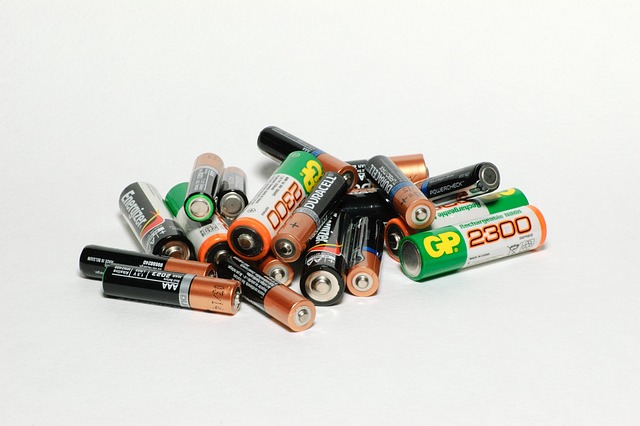
Sorting is the first step in battery recycling. Different types of batteries, such as lithium-ion, nickel-cadmium, and lead-acid, require specialized handling. Consumers can play a crucial role by participating in free battery recycling programs offered by local municipalities or retail stores. For instance, many electronics retailers provide drop-off locations for used batteries, encouraging responsible disposal practices. By sorting batteries according to their chemical composition, recycling facilities can employ appropriate processing methods, enhancing the efficiency and safety of the overall process.
Safe battery recycling practices are essential to protect both workers and the environment. Battery components like lead, lithium, and cadmium must be handled with care to minimize exposure and prevent contamination. Advanced technologies, such as shredding and separation systems, enable the disassembly and classification of batteries into their constituent parts. These processes facilitate the recovery of high-value materials for reuse in various industries, contributing to a circular economy. As e-waste continues to rise, adopting effective sorting and processing techniques becomes increasingly vital to mitigate environmental harm and preserve natural resources.
Benefits and Challenges of Battery Recycling Programs
Battery recycling Albany NY has emerged as a critical component of sustainable waste management, addressing the growing concern over electronic waste (e-waste). The process involves collecting, processing, and repurposing spent batteries to reduce environmental impact and conserve valuable resources. One of the primary benefits is the significant reduction in landfilling, which poses substantial risks to soil and water quality. According to a study by the U.S. Environmental Protection Agency (EPA), batteries account for a notable portion of e-waste generated annually, with lithium-ion batteries from consumer electronics being a major contributor. Local battery recycling initiatives in Albany and the NYC area have shown promising results, diverting tons of batteries from landfills.
However, implementing effective battery recycling programs comes with its own set of challenges. Collection and segregation at source remain significant hurdles due to low public awareness and inconsistent local infrastructure. Many residents in Albany and surrounding areas are still unaware of the availability of local battery disposal services, leading to improper disposal methods such as throwing them in regular trash or recycling bins. To overcome this, educational campaigns and partnerships with local businesses can play a pivotal role in promoting proper battery collection. For instance, some successful programs offer drop-off points at retail stores, encouraging consumers to responsibly dispose of their old batteries.
Moreover, the complex composition of modern batteries necessitates advanced recycling technologies. Traditional methods often fail to adequately recover valuable materials like cobalt, nickel, and lithium. Here, Albany NY can look towards innovative solutions being pioneered by local research institutions and startups. Investing in these technologies will not only enhance local battery recycling capabilities but also contribute to global efforts in creating a closed-loop supply chain for critical materials. As the push for sustainability intensifies, embracing cutting-edge recycling practices becomes imperative for cities like Albany and NYC to stay ahead in their commitment to environmental stewardship.
Recycling spent batteries in Albany NY is a multifaceted process with significant environmental benefits. Key insights highlight the importance of proper collection and drop-off locations, efficient sorting and processing techniques, and addressing program challenges to maximize recycling rates. Understanding these aspects empowers residents and businesses to actively participate in battery recycling Albany NY initiatives, contributing to a cleaner, more sustainable future for the community. By adopting practical next steps, such as utilizing designated collection points and staying informed about local programs, individuals can make a tangible difference in battery waste management.