



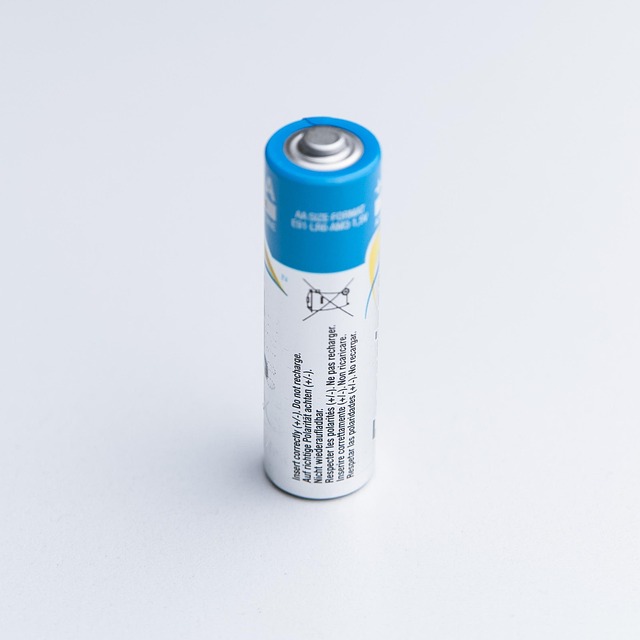
Battery recycling Albany NY is a comprehensive initiative focusing on responsible disposal and resource recovery. The process involves collecting various battery types, from alkaline to lithium-ion, for specialized treatment. Key aspects include:
– High recycling rates (>90%) for common household batteries.
– Careful handling of lithium-ion batteries due to hazardous materials.
– Partnerships with local centers for efficient processing and recovery.
– Promoting drop-off points and educational campaigns for public engagement.
– A closed-loop system that benefits both the environment and economy by minimizing waste and recovering valuable metals.
– Setting a benchmark for sustainable battery management, reducing electronic waste, and mitigating environmental impact.
In an era where electronic devices permeate our daily lives, battery recycling has emerged as a critical component of sustainable practices. Batteries, while essential for power, pose environmental challenges when improperly disposed of. Albany NY, with its forward-thinking initiatives, serves as a model for effective battery recycling strategies. This article delves into the most viable methods to recycle batteries, exploring their impact on reducing e-waste and protecting our environment. By examining these techniques, we aim to empower individuals and communities to contribute significantly to this critical global effort.
- Understanding Battery Recycling: The Basics
- Gather and Sort: Preparing Batteries for Recycling
- Local Options: Battery Recycling in Albany NY
- Responsible Disposal: Methods and Best Practices
- Promoting Sustainability: Tips for Encouraging Recycling
Understanding Battery Recycling: The Basics

Understanding Battery Recycling: The Basics
Battery recycling is a crucial step in reducing environmental impact and conserving resources. It involves the collection, processing, and repurposing of used batteries to minimize waste and recover valuable materials. In Albany NY, several initiatives have been established to facilitate efficient battery recycling, including mobile battery collection points and dedicated hazardous waste collection programs that specifically target batteries. These efforts reflect a growing awareness and commitment to sustainable practices.
The process begins with consumers responsibly disposing of their spent batteries at designated collection points or during specialized events organized by local authorities or recycling centers. Alkaline batteries, commonly used in household items like remotes and flashlights, are among the most recycled types due to their widespread use and relatively simple composition. According to recent data from the Environmental Protection Agency (EPA), over 90% of alkaline batteries are recycled in the United States annually, demonstrating the effectiveness of established collection infrastructure.
Once collected, batteries are transported to specialized recycling facilities where they undergo various treatments depending on their chemistry. For example, lithium-ion batteries, prevalent in electronic devices like smartphones and laptops, require careful processing due to the hazardous materials they contain. This process involves disassembling the batteries to recover valuable metals such as lithium, cobalt, and nickel, which can be reused in manufacturing new batteries or other products. By adopting these practices, Albany NY not only contributes to national recycling goals but also plays a vital role in fostering a circular economy, where resources are continually repurposed rather than discarded.
Gather and Sort: Preparing Batteries for Recycling

In the pursuit of sustainable practices, efficient battery recycling Albany NY emerges as a vital step towards mitigating environmental impact. The process begins with a fundamental understanding of gathering and sorting—a critical phase that prepares batteries for recycling. This involves segregated collection of various types, such as lithium-ion, lead-acid, and nickel-cadmium, each requiring distinct treatment methods. For instance, in Albany NY, e-waste recycling centers have implemented specialized systems to handle rechargeable batteries responsibly.
Battery recycling networks across the state, including Albany, play a pivotal role by facilitating the collection and transportation of these hazardous materials to certified recycling facilities. These centers employ advanced technologies for safe disassembly, extraction of valuable metals, and minimal environmental impact. For example, car batteries—a significant contributor to e-waste in Albany NY—can be recycled 1-3 times before their components lose recoverable value. This circular approach not only conserves resources but also reduces the need for virgin materials in battery manufacturing.
Practical steps for households and businesses include establishing partnerships with local recycling centers that accept batteries, ensuring proper segregation at source, and educating staff or employees about responsible disposal practices. By adopting these measures, Albany NY can contribute to a robust rechargeable battery recycling network, fostering sustainable battery management across the region.
Local Options: Battery Recycling in Albany NY
Recycling old smartphone batteries is a crucial step towards sustainable technology management, especially in a bustling metropolis like Albany, NY. The city offers several local battery recycling options, ensuring eco-friendly disposal methods for various types of batteries, including those from electronic devices and vehicles. One notable initiative is the partnership between Albany’s local waste management services and specialized recycling centers, which facilitates the proper handling and processing of these hazardous materials.
For residents and businesses in Albany, NY, dropping off used batteries at designated collection points or participating in municipal recycling programs is an accessible way to contribute to this cause. These programs not only streamline battery disposal but also help recover valuable resources that can be repurposed, reducing the environmental impact associated with mining new raw materials. For instance, according to recent data from the Environmental Protection Agency (EPA), proper battery recycling can divert over 90% of materials from landfills, significantly lowering greenhouse gas emissions compared to traditional disposal methods.
When considering local battery disposal services in Albany, it’s beneficial to explore options that offer comprehensive recycling solutions for both common and specialized batteries. Some facilities may even provide take-back programs for old devices, ensuring that customers can dispose of their entire product responsibly. By embracing these eco-friendly practices, Albany continues to set a standard for sustainable living, where responsible battery recycling is an integral part of the city’s overall environmental strategy.
Responsible Disposal: Methods and Best Practices

Responsible battery disposal is a crucial step in protecting our environment and ensuring the proper management of these vital resources. When it comes to recycling batteries in Albany NY, ProTek Recycling stands as a leading solution. With their dedicated facility at 2550 9th Ave, Watervliet, NY 12189, they provide an eco-friendly alternative to traditional disposal methods. By calling (838) 218-5772, residents and businesses alike can contribute to a sustainable future.
Battery recycling involves specialized processes tailored to different battery types, such as lithium-ion, nickel-cadmium, or lead-acid batteries. ProTek Recycling experts are well-versed in these procedures, ensuring safe handling and maximum recovery of valuable materials. For instance, lithium-ion batteries from electronic devices can be repurposed to create new energy storage solutions, while lead-acid batteries from cars can be recycled into new battery components, reducing the demand for virgin resources. This comprehensive approach minimizes environmental impact, as improper disposal can lead to soil and water contamination due to toxic chemicals leaching from batteries.
The benefits of choosing ProTek Recycling extend beyond environmental conservation. Their efficient systems enable a circular economy by recovering precious metals like lithium, cobalt, and nickel, which are essential for manufacturing new batteries. This closed-loop process reduces the need for mining and helps maintain a stable supply chain. By aligning with industry leaders like ProTek Recycling, Albany NY can lead by example in sustainable battery management, setting a precedent for other communities to follow suit. It’s a proactive step towards a greener future, ensuring that our technological advancements coexist harmoniously with environmental stewardship.
Promoting Sustainability: Tips for Encouraging Recycling
Promoting Sustainability through Battery Recycling in Albany NY
In an era where environmental stewardship is paramount, initiatives for responsible battery recycling in Albany NY have emerged as a beacon of sustainability. The city’s commitment to eco-friendly practices extends to the proper disposal and recycling of batteries, which play a significant role in reducing electronic waste. Encouraging residents to participate actively in this process is crucial, especially with the growing demand for battery recycling across the nation. For instance, according to recent studies, over 6 billion batteries are discarded annually in the US, highlighting the urgent need for effective recycling programs.
In Albany, specialized battery recycling programs have been implemented, offering residents convenient drop-off points and even opportunities to recycle old car batteries for cash. These initiatives not only benefit the environment but also foster a sense of community engagement. For example, local partnerships between waste management companies and environmental organizations have led to the establishment of dedicated collection centers, making it easier for citizens to contribute to sustainable practices. By participating in these programs, Albany residents can play a direct role in minimizing the ecological impact of battery disposal.
To further enhance the effectiveness of battery recycling, educational campaigns focused on raising awareness about the proper handling and disposal methods are essential. These campaigns can provide valuable insights into why traditional recycling methods differ for various types of batteries. For instance, lithium-ion batteries, commonly found in electronics, require specialized treatment due to their potential fire hazards. By educating the public, Albany can ensure that recycled materials are processed safely and efficiently, maximizing the environmental benefits. Moreover, encouraging community involvement through incentives or awareness events can create a positive feedback loop, driving more people to adopt sustainable battery recycling habits.
In light of these considerations, it is evident that promoting battery recycling in Albany NY is not just an environmental imperative but also a tangible step towards fostering a greener and more responsible community. By continuing to innovate and engage residents, the city can set a benchmark for sustainable practices, ensuring a cleaner and healthier future for generations to come.
By understanding the basics of battery recycling, properly sorting and gathering used batteries, leveraging local resources like battery recycling Albany NY facilities, and adopting best practices for responsible disposal, individuals can significantly contribute to a sustainable future. The article has provided comprehensive insights into each step, from initial preparation to promoting broader participation in recycling efforts. Key takeaways include the importance of proper segregation, awareness of local recycling options, and adherence to responsible disposal methods. Moving forward, embracing these practical next steps—such as encouraging community involvement and adopting eco-friendly alternatives—will not only facilitate effective battery recycling but also foster a culture of sustainability across communities, including Albany NY, and beyond.