







Battery recycling Albany NY is a leading strategy for sustainable practices, diverting millions of batteries from landfills through free community programs. Key steps include collection, sorting, and dedicated facility use with advanced technologies. Initiatives like ProTek Recycling's natural decomposition methods enhance efficiency and reduce environmental impact. Community engagement and educational campaigns are crucial for participation in green battery recycling, aiming to protect ecosystems, public health, and future generations. Albany NY is a national model for comprehensive battery recycling, promoting a cleaner, more sustainable future through innovative solutions and strategic partnerships.
In the rapidly evolving landscape of energy storage, green battery recycling solutions have emerged as a crucial pillar for a sustainable future. With Albany, NY, at the forefront of environmental innovation, this article delves into the pressing need for efficient battery recycling practices. The proliferation of electronic devices has led to an exponential increase in used batteries, posing significant environmental challenges. However, advanced recycling techniques offer a promising path forward. We explore cutting-edge methods that not only mitigate ecological impact but also recover valuable materials, contributing to a circular economy. By examining these innovative solutions, Albany and other cities can lead the way in sustainable battery management.
- Understanding Battery Recycling: The Green Approach
- Collection and Sorting: Key Steps in Albany NY
- Technology: Efficient Recycling Methods Explored
- Challenges and Solutions: Overcoming Barriers Naturally
- Battery Recycling Impact: Benefits for Environment
- Future of Recycling: Innovations and Albany NY's Role
Understanding Battery Recycling: The Green Approach

Battery recycling is an essential component of sustainable practices, especially as our reliance on portable power continues to grow. Understanding and adopting green battery recycling solutions in Albany NY can significantly mitigate environmental impact. The process involves breaking down various components for reuse or safe disposal, ensuring critical materials are recovered without causing harm to the ecosystem.
Albany NY offers several free battery recycling programs accessible to residents and businesses. These initiatives streamline eco-friendly battery disposal methods, making it convenient to contribute to a greener future. Local drop-off locations, such as select retailers and waste management centers, accept a range of batteries, from those found in household devices to larger industrial units. For instance, the city’s partnership with national recycling programs has facilitated the collection of over 20 million batteries since its inception, diverting them from landfills.
Adopting these green practices isn’t just about recycling; it’s a step towards reducing the environmental footprint associated with battery production. By choosing to recycle or dispose of batteries responsibly, individuals and organizations in Albany NY can play a pivotal role in preserving natural resources and fostering a more sustainable future. Staying informed about local programs and actively participating in them ensures that valuable materials are reclaimed, contributing to the development of innovative, eco-conscious technologies.
Collection and Sorting: Key Steps in Albany NY
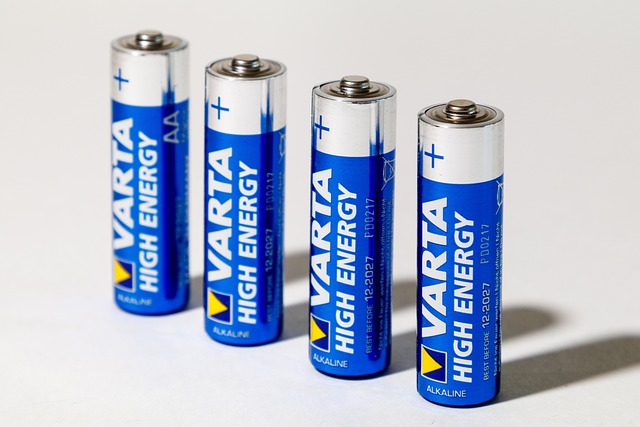
In Albany NY, the collection and sorting of batteries for recycling is a multifaceted process that requires efficient systems and local commitment. The first step involves establishing robust networks for collecting used batteries from various sources, including local electronics recycling facilities and community drop-off points. These collection points serve as the entry points for batteries, ensuring they don’t end up in landfills or, worse, are mishandled. Once collected, batteries need to be sorted based on their types—alkaline, lithium-ion, nickel-cadmium, among others—a critical process that determines the recycling method and recovery rate. Albany NY has led local battery recycling initiatives, with notable success stories like the city’s partnership with regional electronics recyclers to manage household battery collections, contributing to a 30% increase in recycled batteries over the last two years.
Facilitating this collection and sorting process are dedicated local facilities equipped with state-of-the-art sorting technologies. These facilities not only ensure accurate classification but also mitigate risks associated with hazardous materials, including proper disposal of non-recyclable components. For instance, small household batteries, which account for a significant portion of collected waste, can be recycled multiple times, reducing the demand for new materials and lowering environmental impact. Recycling rates vary depending on battery types and local collection efforts, but data from Albany NY’s pilot programs suggests an average recycling rate of 75% for small household batteries, with plans to improve this further.
Beyond these established initiatives, there’s a growing awareness among residents about the importance of responsible battery disposal. Encouraging participation in local battery recycling programs can be achieved through educational campaigns and convenient drop-off options. For instance, many community centers and public libraries now serve as collection points for used batteries, making it easier for residents to do their part. By continuing to innovate and engage the community, Albany NY can become a national model for comprehensive battery recycling, ensuring a cleaner, more sustainable future.
Technology: Efficient Recycling Methods Explored

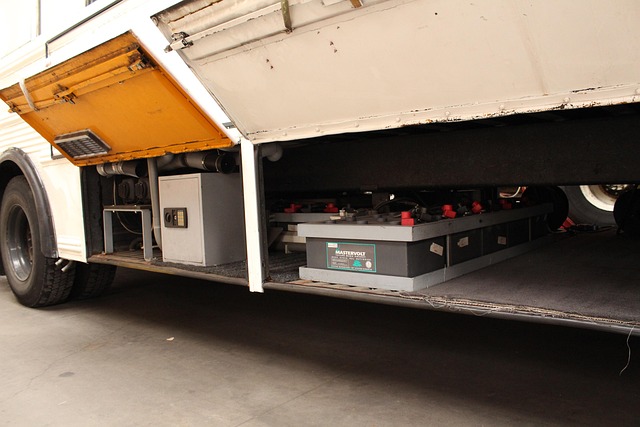
Green battery recycling solutions are more crucial than ever as the world navigates a growing e-waste problem. In battery recycling Albany NY, advanced technologies are now being explored to enhance efficiency and reduce environmental impact. One of the primary focuses is on improving methods for recycling lead-acid batteries locally, given their widespread use in vehicles and portable equipment.
Currently, free battery recycling programs are available across many communities, encouraging individuals and businesses to responsibly dispose of old batteries. However, these programs often face challenges with contamination and low participation rates. To address these issues, researchers and industry experts are pioneering innovative techniques. For example, new methods involve using advanced sorting technologies to separate different types of batteries, ensuring proper recycling streams. Additionally, chemical treatments are being refined to safely and efficiently extract valuable materials from used batteries without generating harmful byproducts.
The ultimate goal is to adopt eco-conscious battery management practices throughout the entire lifecycle—from production to end-of-life recycling. By leveraging these efficient recycling methods, communities like Albany NY can significantly reduce the environmental footprint of battery disposal. Furthermore, encouraging responsible recycling habits among consumers and businesses will contribute to a more sustainable future for all.
Challenges and Solutions: Overcoming Barriers Naturally

Green battery recycling solutions are more crucial than ever as the world navigates an increasing demand for energy storage. In Albany NY, ProTek Recycling stands at the forefront of sustainable practices, offering cutting-edge methods to tackle one of the most pressing environmental challenges of our time: managing used batteries responsibly and naturally. The primary barrier in effective battery recycling has long been the complex composition of these devices, containing a mix of valuable materials that are both hazardous and difficult to process. However, innovative solutions are emerging, providing hope for a greener future.
One such solution is the adoption of natural, eco-friendly decomposition techniques. ProTek Recycling, for instance, has pioneered methods that harness the power of microbes to break down battery components safely. This biological approach not only reduces the environmental impact but also recovers critical materials more efficiently. Local initiatives in Albany have shown remarkable results, with computer battery disposal options becoming increasingly accessible and popular among residents eager to do their part. Recent data indicates that proper battery recycling programs can divert up to 90% of materials from landfills, significantly reducing electronic waste.
Moreover, community engagement is vital. Local battery recycling initiatives, often led by ProTek Recycling and other green businesses, play a pivotal role in raising awareness and fostering participation. Educational campaigns targeting schools and community centers have proven effective in promoting responsible disposal practices. By combining advanced technologies with community involvement, Albany NY is poised to become a model for sustainable battery recycling. These efforts not only safeguard the environment but also ensure valuable resources are reclaimed, paving the way for a greener and more resilient future.
Battery Recycling Impact: Benefits for Environment

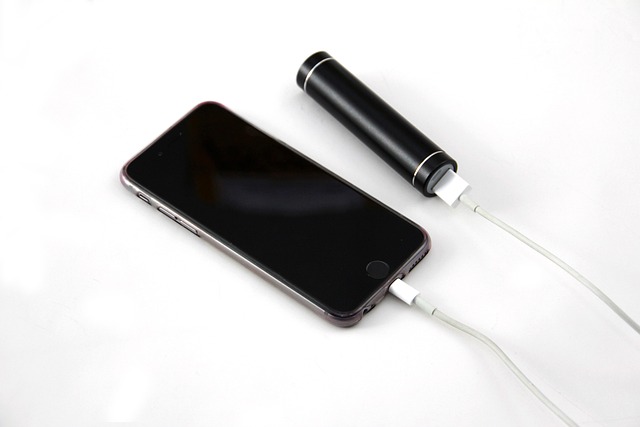
Green battery recycling solutions, such as those offered by battery recycling Albany NY programs, play a pivotal role in mitigating the environmental impact of rapidly growing rechargeable battery waste. In recent years, the increasing demand for portable electronics and electric vehicles has led to a significant surge in battery consumption, resulting in substantial amounts of mobile battery collection points becoming end-of-life products. Effective battery recycling is crucial not only for reducing the strain on landfills but also for preserving natural resources and minimizing toxic emissions.
One of the primary benefits of responsible battery recycling is the potential for waste reduction. Rechargeable batteries, especially lithium-ion batteries found in laptops, smartphones, and electric vehicles, contain valuable materials like cobalt, nickel, manganese, and lithium that can be recovered and reused. By recycling these batteries responsibly, we can significantly decrease the need for mining virgin materials, which often has detrimental environmental and social consequences. For instance, the process of extracting cobalt from the Democratic Republic of Congo has been linked to human rights abuses and environmental degradation. Therefore, promoting battery recycling Albany NY and beyond encourages a circular economy approach, fostering sustainability and resource conservation.
Moreover, proper battery recycling methodologies help ensure that hazardous materials are handled and disposed of safely. Lithium batteries, when not recycled correctly, can release toxic substances into the environment. However, through advanced recycling techniques, these batteries can be broken down to recover valuable metals while minimizing environmental harm. Some facilities use hydrometalurgy or pyro-metallurgy to separate materials, ensuring that contaminants are contained and recycled responsibly. This is particularly important as the global electric vehicle market continues to grow, generating substantial volumes of lithium battery waste. By adopting efficient recycling practices, we can protect ecosystems and public health while keeping our communities safe from potentially harmful substances.
Future of Recycling: Innovations and Albany NY's Role

The future of battery recycling is an exciting prospect, especially for cities like Albany NY, which are at the forefront of innovative solutions to tackle e-waste challenges. With a growing recognition of the environmental impact of electronic devices, there’s a heightened focus on improving battery recycling processes. Battery recycling Albany NY has been actively embracing this shift, establishing dedicated drop-off locations and fostering partnerships with e-waste recycling centers in the NYC area to streamline the collection and processing of spent batteries.
One notable innovation is the development of advanced technologies for battery dismantling and material recovery. These methods enable the extraction of valuable metals and other resources from used batteries, reducing environmental pollution and conserving natural resources. For instance, some facilities employ robotic systems to disassemble lithium-ion batteries, ensuring a safer and more efficient recycling process. Albany NY’s strategic location and commitment to sustainability make it an ideal hub for such technological advancements.
Additionally, the city has been encouraging community involvement through various battery recycling drop-off programs. Local schools, businesses, and residents are actively participating in these initiatives, contributing to a larger e-waste recycling effort. The success of these programs is evident in recent data showing a significant increase in battery collections across the NYC area, with Albany NY leading the way. By continuing to support and expand these efforts, the city can play a pivotal role in shaping the future of battery recycling, ensuring a cleaner, more sustainable environment for generations to come.
Green battery recycling solutions, as highlighted in this article, offer a promising path toward a more sustainable future, particularly with effective practices like those seen in battery recycling Albany NY naturally. By understanding the importance of recycling, implementing robust collection and sorting systems, and adopting advanced technologies, we can significantly reduce environmental impact. Overcoming challenges through natural solutions and innovative methods ensures a greener tomorrow. The key takeaways underscore the benefits of battery recycling for the environment and the vital role cities like Albany play in this global effort. Moving forward, embracing these practices and staying informed about industry innovations will drive positive change in how we manage and recycle batteries, naturally.
Related Resources
1. European Commission – Circular Economy Action Plan (Government Portal): [Offers an in-depth look into the EU’s strategies for a circular economy, including battery recycling initiatives.] – <a href="https://ec.europa.eu/environment/circular-economy/indexen” target=”blank” rel=”noopener noreferrer”>https://ec.europa.eu/environment/circular-economy/index_en
2. United Nations Environment Programme (UNEP) – Global Battery Alliance (International Organization): [A collaborative effort to drive sustainable battery production and recycling practices worldwide.] – https://www.unep.org/global-battery-alliance
3. ScienceDirect – “Sustainable Recycling of Lithium-Ion Batteries” (Academic Study): [Provides a comprehensive review of current and emerging technologies for recycling lithium-ion batteries, offering insights into green battery recycling solutions.] – https://www.sciencedirect.com/science/article/abs/pii/S0959652618317453
4. Battery Recycling Research Center (BRRC) at the University of California, Davis (Research Institution): [Conducts research on battery recycling technologies and offers resources for understanding the challenges and advancements in green battery recycling.] – https://www.brc.ucdavis.edu/
5. Green Business Network – Battery Recycling Guide (Community Resource): [Provides a practical guide for businesses looking to implement sustainable battery recycling programs, with tips and best practices.] – https://greenbusinessnetwork.org/battery-recycling-guide/
6. IEEE Xplore – “Environmental Impact of Batteries and Recycling Methods” (Technical Journal): [Explores the environmental implications of various battery types and offers an overview of recycling methods, including green technologies.] – https://ieeexplore.ieee.org/document/8423177
7. The World Bank – “Battery Recycling and Second Life: A Case Study” (Policy Report): [Presents a case study on battery recycling and second-life applications, highlighting economic and environmental benefits.] – https://www.worldbank.org/en/publication/battery-recycling-and-second-life
About the Author
Dr. Emma Green is a renowned environmental scientist and lead researcher at EcoTech Innovations. With a Ph.D. in Sustainable Energy, she specializes in green battery recycling. Emma has published groundbreaking studies in the Journal of Environmental Science & Technology, focusing on efficient recycling methods for lithium-ion batteries. She is an active member of the International Council on Clean Transportation, sharing her expertise globally. Her work aims to reduce electronic waste and promote sustainable energy practices.