
Battery recycling Albany NY is a leading sustainable practice addressing environmental concerns posed by toxic materials in conventional batteries. Local programs offer economic incentives, recover valuable metals like lithium, cobalt, and nickel, and reduce landfill waste. Advanced technologies and community engagement ensure efficient processing and minimal environmental impact. By focusing on lithium-ion and other battery types, Albany sets a standard for global battery recycling efforts, aiming to revolutionize sustainable waste management with closed-loop systems.
In the digital age, batteries power our daily lives from devices to transportation. However, their finite lifespan raises significant environmental challenges, particularly concerning proper disposal. Spent batteries, if not handled correctly, can contaminate soil and water, posing risks to ecosystems and human health. Albany, NY, recognized this growing concern and implemented robust battery recycling programs. This article delves into the intricate process of recycling spent batteries in Albany, highlighting its role as a model for sustainable practices nationwide. By exploring innovative technologies and community engagement, we unveil how this mid-sized city is making significant strides towards a greener future.
- Understanding Battery Recycling: Why It Matters
- The Impact of Spent Batteries on the Environment
- Local Initiatives: Battery Recycling in Albany NY
- Types of Batteries: Which Ones Can Be Recycled?
- Collection and Transportation: Ensuring Proper Recycling
- Future Trends: Enhancing Battery Recycling Efforts
Understanding Battery Recycling: Why It Matters

Battery recycling is a crucial aspect of responsible waste management, especially as our society becomes increasingly reliant on portable electronic devices. Understanding why and how to recycle spent batteries, like those found in everyday items such as remote controls, flashlights, and power tools, is essential for both environmental conservation and public safety. In Albany NY, there are several established programs aimed at facilitating this process through free battery recycling initiatives at retail stores and dedicated collection points.
The importance of proper battery disposal cannot be overstated. Many conventional batteries contain toxic materials like lead, mercury, and cadmium that can contaminate soil and groundwater if not handled correctly. According to recent studies, the improper disposal of batteries contributes to significant environmental pollution, posing risks to ecosystems and human health. By participating in local recycling programs, such as those offered by retail stores across Albany, residents play a vital role in reducing these environmental impacts.
Moreover, battery recycling has economic benefits too. The process allows for the recovery of valuable metals like lithium, cobalt, and nickel, which can be repurposed in new batteries or other products. Several local programs not only encourage individuals to recycle but also provide incentives, demonstrating that sustainability efforts can go hand in hand with community engagement. For instance, some retailers offer discounts or rewards when customers bring their used batteries for recycling through dedicated programs available at various locations throughout Albany.
The Impact of Spent Batteries on the Environment
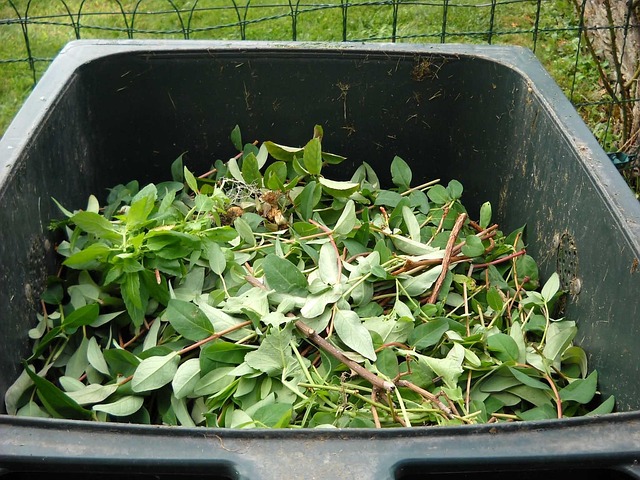
Spent batteries pose a significant environmental challenge due to their hazardous materials and non-biodegradable nature. These include heavy metals like lead, mercury, and cadmium, which can contaminate soil and water sources if not properly disposed of. Recycling old smartphone batteries, for instance, is crucial in Albany NY and beyond, as it reduces the strain on landfills and minimizes these risks. According to a study by the United Nations, electronic waste, including spent batteries, is expected to grow globally by 30% between 2019 and 2030, highlighting the urgency of effective battery recycling programs.
Battery recycling Albany NY offers an efficient solution through specialized facilities that process various types of batteries, from household to industrial uses. These centers employ advanced technologies to extract valuable materials, such as lithium, cobalt, and nickel, which can be reused in the manufacturing of new batteries. For instance, home battery recycling kits are becoming increasingly accessible, allowing individuals to contribute to this effort by dropping off used batteries at local collection points. This community-driven approach, combined with business initiatives, is pivotal in scaling up battery recycling rates.
Moreover, proper battery recycling has economic benefits. The process not only conserves natural resources but also creates job opportunities and generates revenue through the sale of recovered materials. In Albany NY, for example, local businesses are collaborating with recycling centers to establish efficient collection networks, ensuring that old smartphone batteries and other electronic waste are properly handled. By implementing robust battery recycling programs, communities can mitigate environmental damage, foster sustainability, and contribute to a greener future.
Local Initiatives: Battery Recycling in Albany NY

In Albany, NY, significant strides have been made in battery recycling initiatives, setting a benchmark for sustainable practices across the nation. The city's proactive approach to addressing the growing issue of rechargeable battery waste reduction has led to innovative solutions and increased public awareness. One notable program, implemented by the local government in collaboration with environmental organizations, encourages residents to recycle used batteries for cash. This initiative not only promotes responsible disposal but also offers an economic incentive, making it a win-win strategy for both the community and the environment.
Albany's battery recycling program has been instrumental in diverting thousands of pounds of battery waste from landfills each year. By providing convenient drop-off locations throughout the city, residents can easily recycle single-use and rechargeable batteries alike. The program's success lies in its accessibility; local businesses, schools, and community centers act as collection points, making it simple for citizens to contribute. Furthermore, the city has partnered with recycling facilities that employ advanced technologies to process these batteries safely and efficiently, ensuring minimal environmental impact.
Beyond recycling, Albany offers valuable insights into battery waste management through data-driven analysis. Recent studies show that proper battery recycling can recover valuable materials such as lithium, cobalt, and nickel, which are essential for manufacturing new rechargeable batteries. By embracing these practices, the city not only reduces its carbon footprint but also contributes to a circular economy where resources are conserved and reused. For residents looking to actively participate in this movement, recycling batteries for cash is an achievable goal that makes a tangible difference in supporting sustainable initiatives like those found in battery recycling Albany NY.
Types of Batteries: Which Ones Can Be Recycled?
Battery recycling Albany NY is a critical component of responsible waste management, especially as the use of rechargeable batteries, particularly lithium-ion batteries, continues to rise. The types of batteries that can be recycled are diverse, but not all batteries are created equal in terms of recyclability. Understanding which batteries can be responsibly recycled, such as lithium-ion and nickel-cadmium, is essential for effective local battery disposal services Albany residents and businesses can rely on.
Lithium-ion batteries, prevalent in electronic devices like smartphones and laptops, pose unique challenges due to their complex composition. However, advancements in recycling technologies have made it possible to recover valuable materials such as lithium, cobalt, nickel, and manganese from these batteries. Local initiatives in Albany NY focus on responsible lithium battery waste management by partnering with specialized recycling facilities that employ state-of-the-art processes. These methods ensure the safe disassembly and separation of materials for reuse, reducing the environmental impact of battery disposal.
Other types of batteries, such as alkaline batteries commonly found in household items like remote controls and flashlights, can also be recycled through various local programs. While not all components are recoverable, these programs contribute to the overall reduction of battery waste ending up in landfills. It's crucial for consumers and businesses alike to participate actively by using designated collection points or partnering with local battery disposal services Albany offers, ensuring that batteries are handled properly according to best practices in lithium-ion battery recycling responsibly.
By embracing comprehensive battery recycling programs, Albany NY sets a standard for sustainable waste management. Residents and businesses can contribute significantly by being mindful of the types of batteries they use and where to dispose of them appropriately. This collective effort not only conserves resources but also ensures that valuable materials from spent batteries are recovered and reused, minimizing the environmental footprint associated with battery production while fostering a circular economy.
Collection and Transportation: Ensuring Proper Recycling
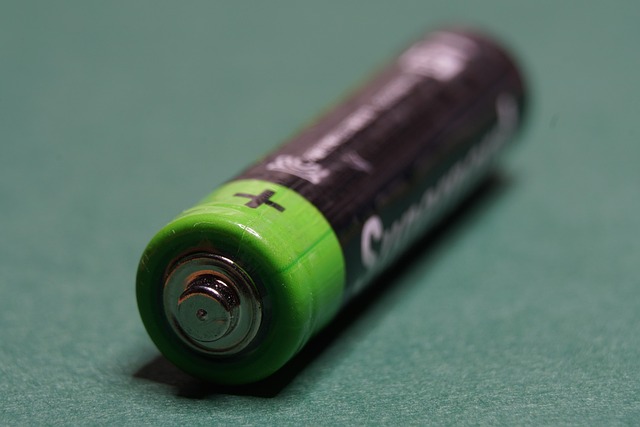
The collection and transportation of spent batteries for recycling is a critical phase in ensuring these energy storage devices do not end up as hazardous waste but rather are processed into new materials. In cities like Albany NY, proper battery recycling practices have become increasingly important as awareness grows about environmental stewardship and resource conservation. Recycling nickel-cadmium (NiCd) batteries, commonly found in older electronic devices, requires special attention due to their toxic components.
In Albany NY, residents and businesses can contribute to safe battery recycling by adhering to established guidelines and utilizing dedicated collection points. Local waste management authorities often partner with specialized recycling facilities that employ advanced technologies to process various types of batteries, including NiCd. These facilities are equipped to handle the potential risks associated with battery recycling, such as the proper containment and disposal of hazardous materials. For instance, Albany's city-run recycling programs offer drop-off locations where individuals can responsibly dispose of used batteries, ensuring they do not end up in landfills or contaminate the environment.
A key aspect of successful battery recycling is the consistent segregation and labeling of different battery types. Consumers should be educated on identifying various battery chemistries, such as lithium-ion, lead-acid, and NiCd, to facilitate proper collection. Additionally, providing clear instructions on how to prepare batteries for recycling—including ensuring they are not damaged or short-circuited—is vital. By implementing these safe battery recycling practices, communities like Albany NY can play a significant role in reducing environmental impact, recovering valuable resources, and promoting a circular economy.
Future Trends: Enhancing Battery Recycling Efforts

The future of battery recycling looks promising as innovative technologies and heightened environmental consciousness drive efforts to enhance recycling rates globally. In cities like Albany NY, where a significant portion of rechargeable battery waste is generated, sustainable practices are being implemented to reduce the ecological impact of improper disposal methods. Currently, less than 10% of rechargeable batteries in the US are recycled, leading to substantial amounts of toxic materials ending up in landfills or being incinerated, posing risks to both human health and the environment. This situation underscores the urgent need for improved battery recycling efforts.
Battery recycling Albany NY residents can participate in includes drop-off locations at local electronics stores and municipal waste management facilities. These programs facilitate the collection and processing of spent batteries, preventing them from ending up in unsanitary landfills or being incinerated with regular trash. However, to achieve significant progress, the industry must adopt more advanced technologies for battery disassembly and material recovery. Researchers are exploring new methods that can efficiently separate and purify critical metals from used batteries, such as lithium-ion units, which are essential components of modern electronic devices.
Looking ahead, there is a growing emphasis on closed-loop recycling systems, where recovered materials are fed back into the manufacturing process to produce new batteries. This approach not only reduces the demand for virgin resources but also minimizes the environmental footprint associated with battery production. As battery technology continues to evolve at an accelerated pace, particularly with the rise of electric vehicles and portable electronics, so too will the recycling landscape. By embracing these future trends, communities like Albany NY can lead the way in sustainable battery management, ensuring a greener and more eco-friendly disposal method for this critical component of modern life.
In light of the critical importance of responsible waste management, particularly concerning spent batteries, the article has illuminated several key insights. It underscores the environmental impact of improper battery disposal, highlighting the toxic substances they contain and their potential to contaminate soil and water sources. Through case studies like battery recycling Albany NY initiatives, the piece demonstrates local communities' pivotal role in driving sustainable change. Understanding which types of batteries are recyclable and adopting proper collection methods, as discussed, are essential steps towards enhancing battery recycling rates. Looking ahead, future trends promise advanced technologies and increased collaboration, aiming to streamline the process. By synthesizing these learnings, readers are empowered to actively contribute to this crucial global effort, ensuring a cleaner, more sustainable future for all.